
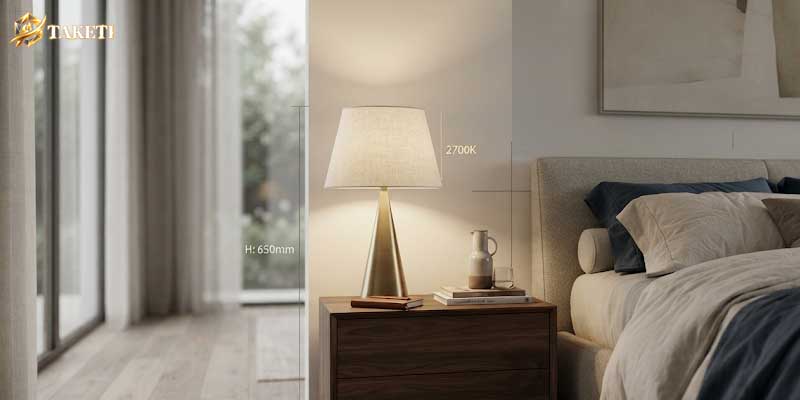
Selecting the right bedside lamp is often viewed as a simple styling decision, yet it fundamentally impacts your nightly rest and bedroom comfort. More than just a decorative accent sitting next to your mattress, this fixture is an intimate task light that supports late-night reading, winding down, and navigating the room in the dark. A poorly proportioned light can cause irritating glare when you lie down or leave you straining to reach an awkward switch across a wide nightstand.
When curating a bedroom retreat, striking the right balance between functional ergonomics and aesthetic appeal is vital. Whether you are outfitting a compact guest space or styling a primary master suite, selecting an optimal bedside lamp requires attention to proportion, shade construction, bulb temperature, and accessibility. In this comprehensive guide, we walk you through five professional interior design rules to help you choose a fixture that looks stunning and performs effortlessly every night.
Why the Right Bedside Lamp Transforms Your Evening Routine
Your bedroom should serve as a dedicated sanctuary for restorative sleep. Bright, harsh overhead lighting suppresses natural melatonin production, keeping your brain wired and alert when you should be preparing for sleep. A dedicated bedside lamp provides localized, low-glare illumination that creates a soothing ambiance, signaling to your body that the day has concluded.
Beyond promoting healthy sleep hygiene, the correct bedside lamp serves an ergonomic purpose. Reading in bed without targeted illumination strains the eyes and leads to early fatigue. Conversely, an unshielded bulb placed too close to eye level creates persistent glare that hinders relaxation. By tailoring your fixture to your specific bed frame, nightstand height, and nighttime habits, you create an inviting and functionally seamless sleeping quarters.
5 Professional Rules to Select the Best Bedside Lamp
Follow these five designer-tested rules to eliminate guesswork and choose a bedside lamp that perfectly complements your bedroom layout.
Rule 1: Coordinate Lamp Height with Mattress Elevation
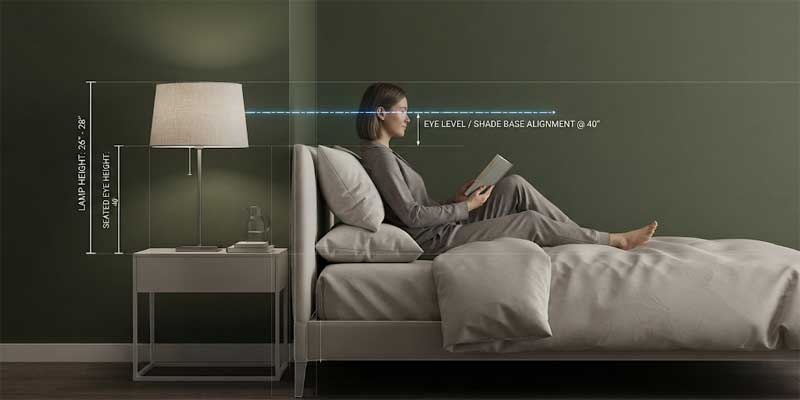
The single most critical dimension to calculate when shopping for a bedside lamp is its vertical scale relative to your bed and mattress. If the lamp is too tall, the bare bulb will shine directly into your eyes when you recline. If it is too short, the light beam will be blocked by pillows and your own shoulders, casting harsh shadows across your reading book.
As a golden standard, when you sit upright against your headboard, the bottom rim of the lampshade should align horizontally with your chin or eye level—typically between 38 and 42 inches above the floor. To determine the ideal height for your bedside lamp, measure the vertical distance from the top surface of your nightstand to this seated eye level. For example, if your nightstand stands 24 inches tall and your seated eye level is 40 inches, your table lamp should measure approximately 26 to 28 inches tall from its base to the finial.
| Nightstand Height | Mattress Top Height | Ideal Bedside Lamp Height | Ergonomic Consideration |
|---|---|---|---|
| 20 – 22 inches (Low profile) | 20 – 22 inches | 28 – 32 inches | Taller base required to elevate shade rim to eye level. |
| 24 – 26 inches (Standard) | 24 – 26 inches | 24 – 28 inches | Balanced proportion; easiest pairing for most beds. |
| 28 – 30 inches (Tall pillow-top) | 28 – 30 inches | 20 – 24 inches | Compact base prevents shade from towering above headboard. |
Rule 2: Balance the Base Footprint on the Nightstand
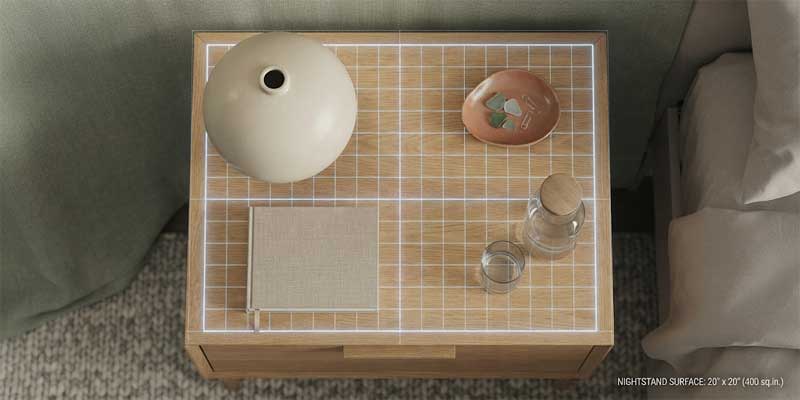
Proportion involves horizontal surface area as well as vertical height. A bedside lamp must coexist with your alarm clock, phone charger, water glass, and nighttime book. Placing an oversized ceramic lamp base that covers three-quarters of your nightstand surface creates frustrating clutter.
Adhere to the one-third proportion guideline: your bedside lamp should occupy no more than one-third of the total usable surface area of your bedside table. For compact nightstands measuring under 18 inches wide, look for a slender spindle base or a minimalist metal fixture. For wider credenzas or multi-drawer dressers flanking a king mattress, explore our curated selection of Bedroom Table Lamps designed with substantial sculptural silhouettes that hold their own against large architectural furnishings.
Rule 3: Select Translucent Fabric Shades for Soft Diffusion
The material and shape of your lampshade dictate how light is dispersed across the mattress. Opaque shades made of dark parchment or metal reflect illumination strictly upward and downward in narrow shafts. While this creates dramatic contrast, it offers poor ambient diffusion for relaxing before bed.
For an optimal bedside lamp, select semi-translucent shades crafted from textured linen, woven cotton, or silk. These natural fabrics soften the beam, providing a warm 360-degree perimeter glow while still directing functional light downward for nighttime reading. Furthermore, ensure the diameter of the shade is roughly two inches narrower than your nightstand width to prevent accidentally knocking the shade askew when rolling over in bed.
Rule 4: Prioritize Intuitive and Accessible Switch Ergonomics
Nothing disrupts a drowsy state quite like blindly fumbling for an elusive in-line rocker switch trapped behind a heavy wooden nightstand. When evaluating a bedside lamp, examine the switch design with everyday functionality in mind.
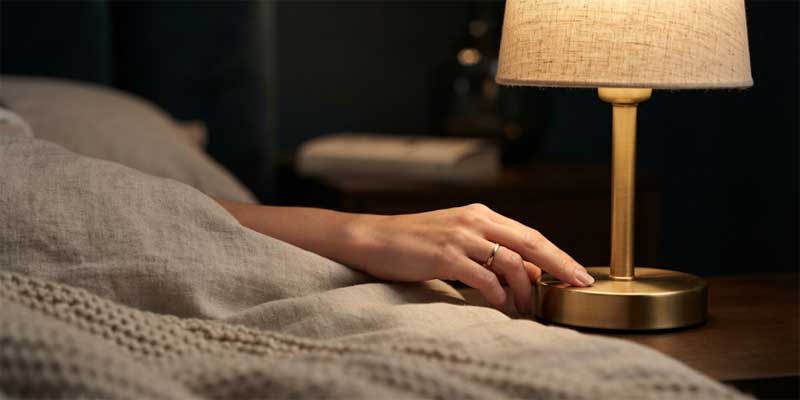
The switch should be operable with minimal movement from a reclined position. Exceptional options include touch-activated metal bases, pull-chain mechanisms hanging just beneath the shade rim, or turn switches located directly on the lamp socket. If your favorite fixture features an in-line cord switch, invest in an affordable tabletop dimmer switch or a smart plug that lets you dim or extinguish the light with a gentle finger tap or simple voice command.
Rule 5: Keep Color Temperature Warm and Lumens Low
The bulb you place inside your bedside lamp is just as important as the physical fixture. Bright white or daylight bulbs emitting 4000K to 5000K contain high concentrations of blue light waves, which suppress melatonin release and disrupt your sleep cycle.
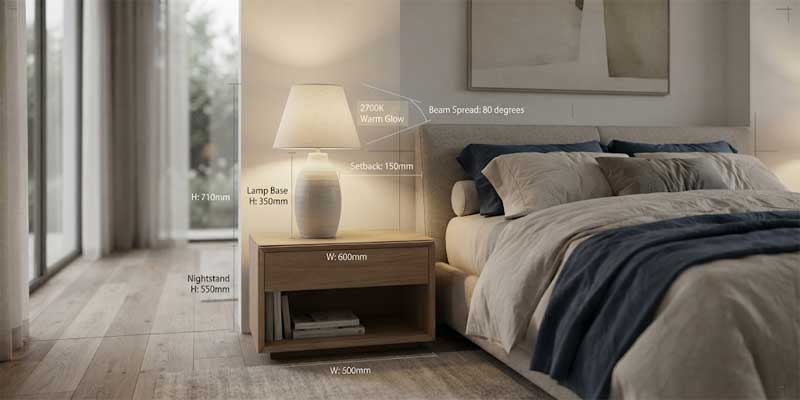
Always pair your bedside fixtures with warm 2700K LED bulbs, which emit a soothing, amber-tinted glow reminiscent of traditional incandescent filaments. In terms of brightness, aim for 400 to 500 lumens (equivalent to a 40-watt incandescent bulb) for general bedside illumination. If you frequently read dense physical text, select a multi-way bulb or integrate a dedicated dimmer so you can increase output to 800 lumens during reading and dial it back to an intimate glow when settling in for sleep.
Matching Your Bedside Lamp to Room Decor Styles
While measurements guarantee functionality, your bedside lamp must also unify the room’s visual aesthetic. Incorporate fixture materials that complement your bedroom design language:
- Modern Minimalist: Clean matte black metal or brushed nickel spindles paired with simple white drum linen shades.
- Transitional and Classic: Glazed ceramic urn bases in muted earthy tones, fluted porcelain, or antique brass fittings with tapered empire shades.
- Coastal and Organic: Bleached wood, natural stone, terracotta, or woven rattan bases topped with textured linen shades.
- Mid-Century Modern: Sculptural globe designs, warm walnut wood accents, and brass accents that add vintage sophistication.
Investing in a versatile, classic Table Lamp allows you to update your bedding textures and seasonal paint colors over the years without needing to replace your lighting fixtures.
Common Bedside Lamp Mistakes to Avoid
To ensure your bedroom remains both beautiful and functional, steer clear of these frequent decorating oversights:
- Exposing the Internal Bulb Hardware: If the lamp harp is sized incorrectly, the bare bulb socket will peek beneath the shade rim, creating uncomfortable eye-level glare. Always test the fixture from your natural seated position on the bed.
- Unbalanced Heights on Dual Tables: In bedrooms accommodating couples, mismatched bedside lamp heights create an untidy, disorganized appearance. If your nightstands are different heights, adjust your lamp base heights so the tops of both shades align on the same horizontal line.
- Choosing Shades That Are Too Wide: A shade that overhangs the front or side of a nightstand is prone to being bumped whenever you reach for your phone or a glass of water.
- Ignoring Cable Management: Visible, tangled power cords running down drywall ruin an otherwise refined bedside aesthetic. Secure excess lamp cord behind the rear table leg using adhesive cable clips.
Elevate Your Nightly Routine with the Right Bedside Lamp
Choosing an exceptional bedside lamp is about prioritizing your comfort, visual ease, and personal space. By calculating your seated eye height, balancing the base footprint, selecting diffused linen shades, and sticking with warm 2700K illumination, you transform an everyday table light into a functional centerpiece for your evening retreat.
Take a few moments tonight to assess your current bedside setup. Measure your nightstand clearance, check your bulb temperature, and observe how easily you can extinguish the light from your mattress. With thoughtful adjustments and the right proportions, you will enjoy a serene, cozy atmosphere that supports deep, rejuvenating sleep every single night.
