
A pink eye doctor can be your primary care doctor, an urgent care clinician, an optometrist or ophthalmologist, or a telehealth provider. Mild pink eye often does not need an in-person visit, but eye pain, light sensitivity, vision changes, a contact lens, or a newborn patient call for prompt care.
Key takeaways
- Most mild pink eye can be seen by a primary care doctor, urgent care clinic, or telehealth provider.
- An optometrist or ophthalmologist is the best choice for eye pain, vision changes, light sensitivity, contact lens wearers, or symptoms that do not improve.
- Go to the emergency room for a chemical splash, a serious eye injury, or sudden vision loss.
- Any red or discharging eye in a newborn needs to be seen by a doctor right away.
- Costs vary widely by location, insurance, and setting, so ask for the price before you book.
A red, crusty eye makes many people ask the same question: do I really need a doctor for this? Often the answer is no, because many cases of pink eye clear up on their own. But some red eyes are not pink eye at all, and a few need care the same day.
This guide shows when to see a pink eye doctor, which kind of provider is the best fit, what happens at the visit, and what to know about cost and insurance. For a broader overview, start with our guide on what is pink eye.
When Should You See a Pink Eye Doctor?
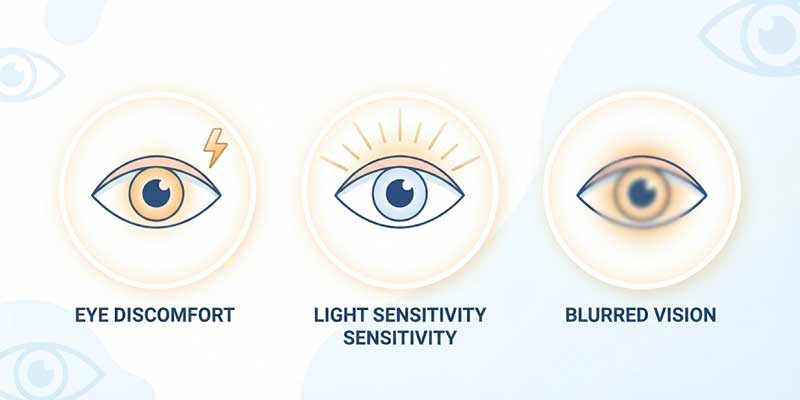
Quick answer: See a pink eye doctor if you have eye pain, intense redness, light sensitivity, blurred vision, a weakened immune system, or symptoms that get worse or do not improve. Newborns with any eye symptoms need a doctor right away.
The CDC advises seeing a health care provider if you have pink eye along with any of these:
- Moderate to severe eye pain
- Intense redness in the eye
- Sensitivity to light or blurred vision that does not clear when you blink
- A weakened immune system, for example from HIV or cancer treatment
- Symptoms that get worse or do not improve
- Bacterial pink eye that does not improve after 24 hours of antibiotics
Contact lens wearers and anyone with a recent eye injury or eye surgery should also be seen promptly. If your symptoms are mild and you have none of these signs, you can usually start with home care and watch how you do. See our guide to pink eye home remedies for safe options.
Which Type of Pink Eye Doctor Should You See?
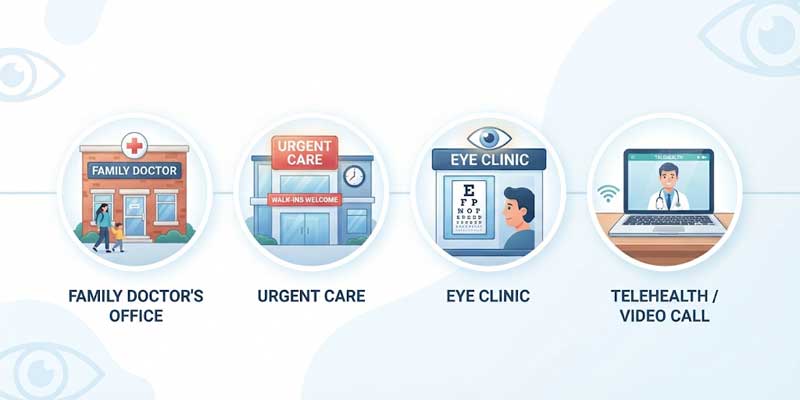
Quick answer: For mild symptoms, a primary care doctor, urgent care, or telehealth provider is usually enough. For pain, vision changes, light sensitivity, contact lens use, or symptoms that do not improve, see an optometrist or ophthalmologist.
|
Where to go |
Best for |
Things to know |
|---|---|---|
|
Primary care doctor or pediatrician |
Mild pink eye, children, and anyone with an established doctor |
A familiar provider who knows your history. Offices may not have specialized eye equipment |
|
Urgent care or retail clinic |
Same-day visits when your doctor is unavailable |
Walk-in convenience. Staff can diagnose and prescribe, and can refer you to an eye doctor if needed |
|
Eye doctor (optometrist or ophthalmologist) |
Pain, vision changes, light sensitivity, contact lens wearers, recurring or stubborn cases |
Can examine the eye under magnification and spot problems that look like pink eye |
|
Telehealth |
Mild, uncomplicated cases with no warning signs |
Convenient and avoids spreading germs. A video visit cannot replace a hands-on eye exam |
Optometrist vs. ophthalmologist
An optometrist provides primary eye care, including eye exams, and can diagnose and treat common eye conditions such as pink eye. An ophthalmologist is a medical doctor who specializes in eye disease and eye surgery, so they handle the more serious or complicated problems. If you are unsure, start with an optometrist, who can refer you on if needed.
Can You Use Telehealth for Pink Eye?
Quick answer: Telehealth can work for mild, uncomplicated pink eye when you have no warning signs. It is not a good fit if you have pain, vision changes, light sensitivity, a recent injury, contact lens use, or a newborn patient.
A video visit can help when you have typical symptoms, such as redness with watery or sticky discharge, and no red flags. The provider asks about your symptoms and looks at your eye on camera, then recommends care or a prescription if appropriate. If anything seems more serious, they should send you for an in-person exam.
When Should You Go to the Emergency Room for Pink Eye?
Quick answer: Go to the emergency room for a chemical splash, a serious eye injury, sudden vision loss, or severe eye pain. For a chemical splash, flush the eye with water for at least 15 minutes on the way and get emergency care.
Pink eye by itself is rarely an emergency. These situations are different:
- A chemical splash in the eye, such as bleach or drain cleaner
- A hard blow, cut, or object in or near the eye
- Sudden loss of vision or severe, worsening pain
- Severe pain with headache, nausea, or halos around lights
What Happens at a Pink Eye Doctor Visit?
Quick answer: A pink eye doctor asks about your symptoms and history, examines your eyes, sometimes takes a swab, and tells you whether the cause is viral, bacterial, allergic, or something else, then explains care and when to return.
Typically the visit includes:
- Questions: when symptoms started, whether one or both eyes are affected, discharge, itching, cold or allergy symptoms, contact lens use, and exposure to anyone with pink eye.
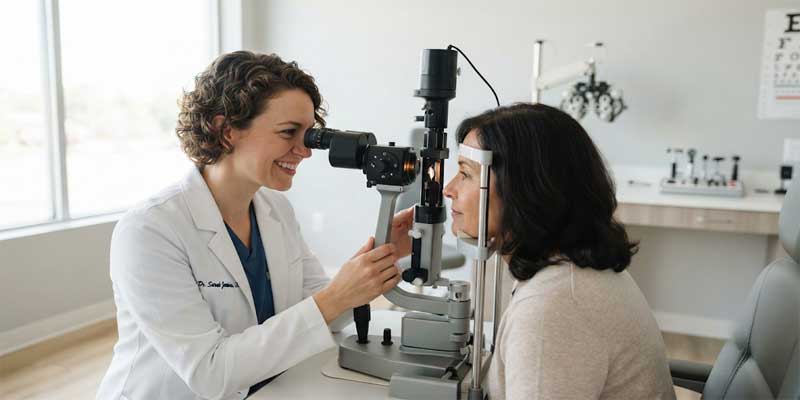
- Eye exam: the doctor checks your vision and looks at the eyelids, conjunctiva, and cornea, often with a magnifying instrument called a slit lamp.
- Testing if needed: in severe or stubborn cases, or in newborns, the doctor may take a swab of the discharge.
- Diagnosis and plan: the doctor explains the type, whether you need drops or ointment, how to care for your eyes, and how to avoid spreading it.
- Follow-up: you will be told what to watch for and when to return. Our guide to pink eye treatment explains the options by type.
How Much Does a Pink Eye Doctor Visit Cost?
Quick answer: The cost varies widely by location, insurance, and setting. Telehealth and primary care visits are often less expensive than urgent care, and emergency room visits are usually the most expensive. Ask for the self-pay price before you book.
Because prices differ so much, it helps to ask a few questions before your visit:
- Is the clinic in your insurance network? Out-of-network visits can cost much more.
- Which plan pays? Pink eye is a medical problem, so a visit is often billed to your medical plan rather than a separate vision plan. Check your plan details.
- What is the self-pay price? If you have no insurance, many clinics and telehealth services list cash prices, and you can compare them.
- What will the prescription cost? Ask your pharmacist about generic options if the doctor prescribes drops or ointment.
What Should You Bring and Ask?
A little preparation helps you get more from a short visit.
- A list of your symptoms and when they started
- Your contact lenses and case, if you wear them, and your glasses
- Any medicines, drops, or allergies you have
- Your insurance card and a photo ID
Questions worth asking:
- What type of pink eye do I have?
- Do I need antibiotics, and how long will they take to work?
- When am I contagious, and when can my child or I go back to school or work? See is pink eye contagious.
- When can I wear contact lenses again?
- What signs mean I should come back?
Pink Eye Doctor for Kids, Newborns, and Contact Lens Wearers
Children with mild pink eye can usually see their pediatrician or a telehealth provider, and the doctor will also advise on school return. Read our parent’s guide to pink eye in kids.
Newborns are different. Any red, swollen, or discharging eye in a baby needs to be seen by a doctor right away, because infections at that age can be serious.
Contact lens wearers should remove their lenses and see an eye doctor for any red, painful, or light-sensitive eye, because a lens-related infection can be more serious than ordinary pink eye. See pink eye and contact lenses.
Frequently Asked Questions
Do I need to see a doctor for pink eye? Not always. Many mild cases clear up on their own, especially viral ones. See a doctor if you have eye pain, intense redness, light sensitivity, vision changes, a weakened immune system, or symptoms that get worse or do not improve. Newborns with any red eye should be seen right away.
Can I go to urgent care for pink eye? Yes. Urgent care clinics can diagnose and treat many cases of pink eye, and they offer same-day visits. If your symptoms suggest something more serious, such as pain or vision changes, they may send you to an eye doctor for a closer exam.
Should I see an optometrist or an ophthalmologist for pink eye? Start with an optometrist, who can diagnose and treat common eye conditions such as pink eye. An ophthalmologist is a medical doctor who treats more serious or complicated eye problems and performs surgery. Either can help, and an optometrist can refer you to the other if needed.
Can a telehealth doctor prescribe pink eye drops? Often yes, when your case is mild and uncomplicated and the provider believes drops are appropriate. In the US, antibiotic eye drops require a prescription. A telehealth provider may recommend an in-person visit if you have warning signs.
Is pink eye a medical emergency? Usually not. Go to the emergency room for a chemical splash, a serious eye injury, sudden vision loss, or severe eye pain. Contact a doctor right away for any newborn with a red or discharging eye.
Will insurance cover a pink eye doctor visit? Many plans cover visits for an eye infection under the medical benefit, but coverage and costs vary. Check whether the provider is in your network, and ask whether your vision plan or your medical plan applies before you book.
How soon should I see a doctor for pink eye? See a doctor the same day for pain, vision changes, light sensitivity, or a chemical splash. For mild symptoms, you can usually wait a day or two and see a provider if you are not improving. Bacterial pink eye that is not better after 24 hours of antibiotics needs a call to your doctor.
The Bottom Line
For mild pink eye, a primary care doctor, urgent care clinic, or telehealth provider is often enough. For pain, vision changes, light sensitivity, contact lens use, or any newborn with eye symptoms, see an eye doctor or a physician promptly. If you are unsure, getting checked is safer than waiting. For more on symptoms, see pink eye symptoms.
This article is for general information only and is not a substitute for professional medical advice, diagnosis, or treatment. Always seek the advice of a qualified eye care provider about your specific condition.
Sources
- CDC: How to Treat Pink Eye
- CDC: Clinical Overview of Pink Eye (Conjunctivitis)
- American Academy of Ophthalmology: When Do You Need Antibiotics for Pink Eye?
- Mayo Clinic: Pink eye diagnosis and treatment
