
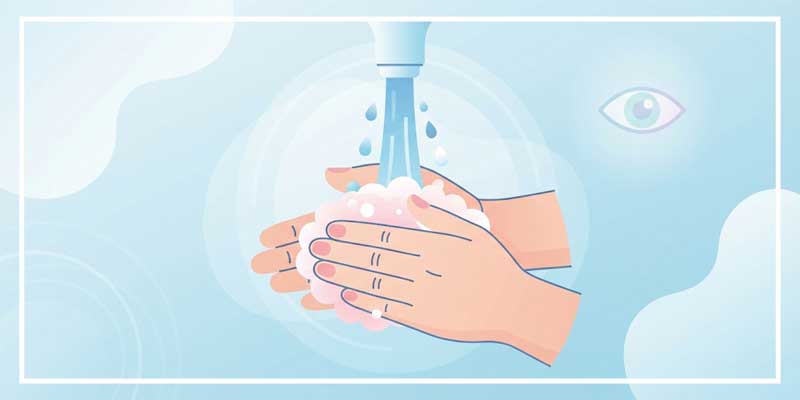
How to prevent pink eye comes down to good hygiene: wash your hands often with soap and water, avoid touching or rubbing your eyes, and do not share towels, pillowcases, or eye makeup. If someone in your home has pink eye, wash bedding in hot water and keep their items separate.
Key takeaways
- Handwashing with soap and water for at least 20 seconds is the single most important step.
- Do not touch or rub your eyes, and do not share towels, pillowcases, eye drops, makeup, or contact lenses.
- These habits protect against viral and bacterial pink eye, which are very contagious. Allergic and irritant pink eye need trigger control instead.
- If someone in your home is infected, wash bedding and towels in hot water and use separate items.
- Contact lens wearers should follow strict lens hygiene and stop wearing lenses at the first sign of redness.
Pink eye is extremely common. The CDC reports that public school students in the US miss about 3 million school days each year because of it. The good news is that simple daily habits can lower your risk and keep it from spreading to the people you live with.
This guide covers how to prevent pink eye at home, at school, and in everyday life, how to avoid spreading it if you are already sick, and how to reduce allergic and irritant triggers. To understand the condition first, read our guide on what is pink eye.
How Can You Prevent Pink Eye? 9 Easy Habits
Quick answer: The best ways to prevent pink eye are washing your hands often, not touching your eyes, not sharing personal items, washing linens in hot water, taking care of contact lenses, and controlling allergy triggers.
The CDC recommends these simple hygiene steps. They work best against viral and bacterial pink eye, the types that spread from person to person.
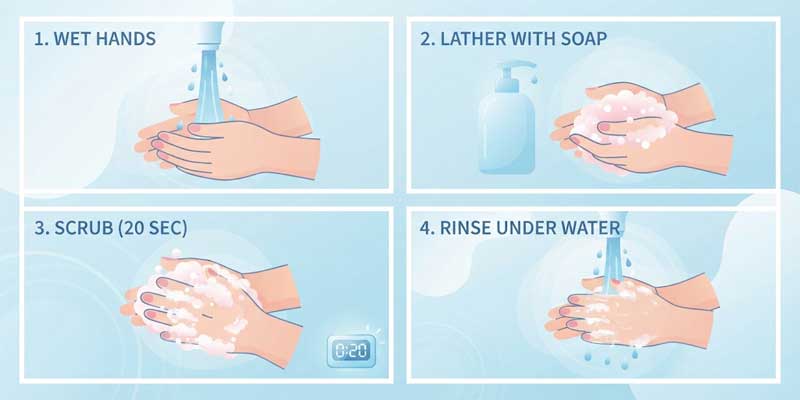
- Wash your hands often. Use soap and water for at least 20 seconds, and wash especially well after touching someone with pink eye or their personal items. Help young children do the same.
- Avoid touching or rubbing your eyes. Rubbing can spread germs to your eyes or from one eye to the other.
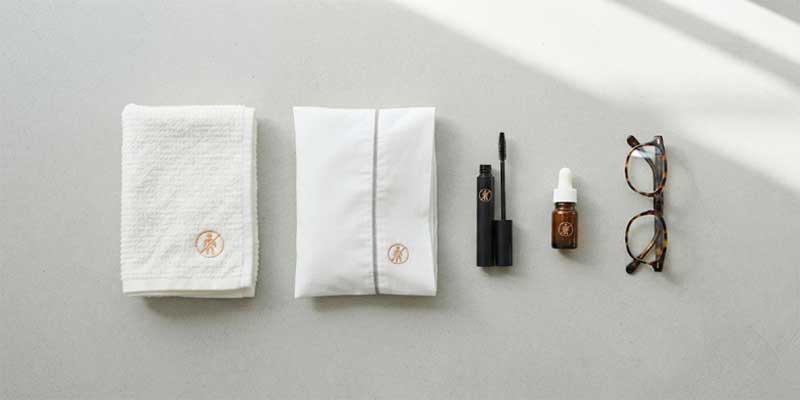
- Do not share personal items. That includes towels, washcloths, pillows, eye drops, eye and face makeup, makeup brushes, contact lenses and cases, and eyeglasses.
- Wash linens and towels in hot water. Launder pillowcases, sheets, washcloths, and towels often with hot water and detergent, and wash your hands after handling them.
- Keep eye products separate. If one eye is infected, do not use the same drops, makeup, or applicators on both eyes.
- Clean away discharge carefully. With clean hands, wipe discharge using a clean, wet washcloth or fresh cotton ball several times a day, then wash the cloth in hot water and wash your hands.
- Take care of your contact lenses. Clean, store, and replace them as your eye doctor instructs, and stop wearing them until your eye doctor says it is okay if you have pink eye.
- Replace eye makeup after an infection. Mascara, eyeliner, and brushes can hold germs, so throw away makeup you used while infected.
- Limit allergy and irritant triggers. Pollen, dust, smoke, and chemical fumes can inflame the eyes, even though these types are not contagious.
How Do You Prevent Pink Eye From Spreading at Home?
Quick answer: If someone in your home has pink eye, give them their own towel and washcloth, wash linens in hot water, throw away used tissues, and have everyone wash their hands often.
- Keep the infected person’s towels, washcloths, pillows, and eye products separate from everyone else’s.
- Wash pillowcases, sheets, and towels in hot water and detergent, and wash your hands afterward.
- Throw away used tissues and cotton pads right away.
- Wipe down frequently touched surfaces, such as doorknobs, phones, and remotes.
- Wash hands before and after applying eye drops or ointment.
For how long you can spread it, read our guide on is pink eye contagious.
How Do You Prevent Pink Eye at School and Daycare?
Quick answer: Teach kids to wash their hands, avoid rubbing their eyes, and never share towels, tissues, or makeup. Keep a child home if their school’s rules or symptoms call for it.
Schools and daycares are where pink eye spreads fastest, because kids touch their faces and share close space and toys. Help young children wash their hands before meals and after using the bathroom or touching their eyes. Remind older kids and teens not to share makeup, eye drops, or contact lenses.
The CDC notes that children with pink eye who have no fever or behavior changes can usually continue going to school, but rules vary, so check your school’s policy. Our parent’s guide to pink eye in kids covers school return in detail.

How Can You Prevent Allergic and Irritant Pink Eye?
Quick answer: For allergic and irritant pink eye, prevention means avoiding triggers: keep windows closed on high-pollen days, wash bedding often, protect your eyes from smoke and chemicals, and wear goggles when swimming or working with irritants.
These types are not contagious, so handwashing alone will not prevent them. Our guide to viral vs. bacterial vs. allergic pink eye explains the differences. To lower your risk:
- Keep windows closed and use air conditioning on high-pollen days.
- Wash your hands and face, and change clothes, after spending time outdoors in allergy season.
- Wash bedding in hot water, and reduce dust mites and pet dander in the bedroom.
- Avoid smoke and strong fumes, and wear eye protection with chemicals or dust.
- Wear swim goggles to help shield your eyes from pool chemicals.
- Ask your provider about allergy medicine if symptoms return every season.

How Can Contact Lens Wearers Prevent Pink Eye?
Quick answer: Contact lens wearers should wash and dry their hands before handling lenses, never sleep or swim in them, use fresh solution every time, replace their case regularly, and take lenses out at the first sign of redness.
Lens wear raises the risk of eye infections, so strict hygiene matters. Follow the schedule your eye doctor gave you, and stop wearing lenses until your eye doctor says it is safe if your eyes become red or irritated. Our guide on pink eye and contact lenses explains exactly what to do.
Can Vaccines Help Prevent Pink Eye?
Quick answer: Vaccines cannot prevent every cause of pink eye, but staying up to date on recommended vaccines can help prevent some diseases that may involve the eyes.
The CDC notes that some related diseases are preventable by vaccines. Ask your doctor which vaccines are right for you and your children. Good hygiene remains the main way to prevent common viral and bacterial pink eye.
What Should You Do If You Already Have Pink Eye?
Quick answer: Stay careful: wash your hands often, do not touch your eyes, use your own towel, and avoid sharing items. See a doctor for pain, light sensitivity, vision changes, or symptoms that do not improve.
For comfort and treatment, see our guides to pink eye treatment and pink eye home remedies. Not sure where to go? Read when to see a pink eye doctor.
Frequently Asked Questions
Can you prevent pink eye? You can lower your risk of viral and bacterial pink eye with good hygiene: wash your hands often, avoid touching your eyes, and do not share towels, makeup, or eye drops. Allergic and irritant pink eye are prevented by avoiding their triggers.
How do you avoid getting pink eye from someone else? Wash your hands with soap and water after contact with the infected person or their belongings, and do not touch your eyes with unwashed hands. Do not share pillows, towels, washcloths, eye makeup, eye drops, contact lenses, or eyeglasses.
Does handwashing prevent pink eye? Yes. Washing your hands often with soap and water for at least 20 seconds is the most important step the CDC recommends. If soap and water are not available, an alcohol-based hand sanitizer with at least 60% alcohol is a reasonable backup.
How can I stop pink eye from spreading to my other eye? Avoid touching or rubbing your eyes, wash your hands after every touch, and do not use the same drops, makeup, or applicators on both eyes. Use a fresh, clean cotton ball or washcloth for each eye when wiping away discharge.
Can you prevent pink eye in a swimming pool? You can reduce your risk by wearing swim goggles, showering after swimming, and not sharing towels. Pool chemicals can irritate the eyes, and shared water and surfaces can spread germs. Contact lens wearers should take lenses out before swimming.
Can you prevent allergic pink eye? Yes, by avoiding triggers. Keep windows closed on high-pollen days, wash bedding often, reduce dust mites and pet dander, and avoid smoke and fumes. Your provider may suggest allergy eye drops or oral allergy medicine if symptoms keep returning.
Can you get pink eye more than once? Yes. Having pink eye once does not protect you from getting it again, and you can catch different types at different times. Consistent hygiene habits are the best way to lower your risk each time.
The Bottom Line
Preventing pink eye is mostly about everyday hygiene: wash your hands, keep them away from your eyes, and keep towels, makeup, and eye products to yourself. Add careful contact lens habits and allergy trigger control, and you cover most of the risk. If you notice pain, light sensitivity, or vision changes, see a doctor. For more on how it spreads, read is pink eye contagious.
This article is for general information only and is not a substitute for professional medical advice, diagnosis, or treatment. Always seek the advice of a qualified eye care provider about your specific condition.
Sources
- CDC: How to Prevent Pink Eye
- CDC: Help Protect Yourself From Getting and Spreading Pink Eye
- CDC: Causes of Pink Eye (Conjunctivitis)
