
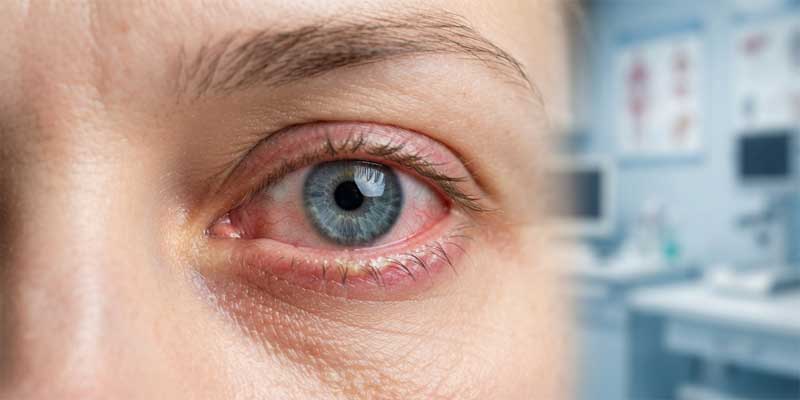
Pink eye, medically called conjunctivitis, is inflammation of the conjunctiva, the thin, clear tissue that covers the white of the eye and lines the inside of the eyelids. It is most often caused by a virus, bacteria, or an allergy. Many cases are mild and clear up on their own, but some types need treatment.
Key takeaways
- Pink eye and conjunctivitis are the same condition.
- The most common causes are viruses, bacteria, and allergens. Chemicals, irritants, and contact lens wear can also trigger it.
- Viral and bacterial pink eye are contagious. Allergic and irritant pink eye are not.
- Most mild cases improve within 7 to 14 days, and antibiotics only help bacterial pink eye.
- Eye pain, light sensitivity, changes in vision, or any red eye in a newborn needs prompt medical care.
Waking up with a red, itchy, or crusty eye is unsettling. Pink eye is one of the most common and treatable eye conditions, it affects children and adults alike, and it is a frequent reason for missed school and work days. The challenge is that several different problems can make an eye look pink or red, and each one calls for a different approach.
In this guide, we walk through what pink eye is, what causes it, how to recognize the symptoms, how it is diagnosed and treated, and how long it lasts. You will also learn how contagious pink eye is, when a red eye needs prompt attention, and how to lower your risk. Each section links to a deeper guide if you want more detail.
What Is Pink Eye?
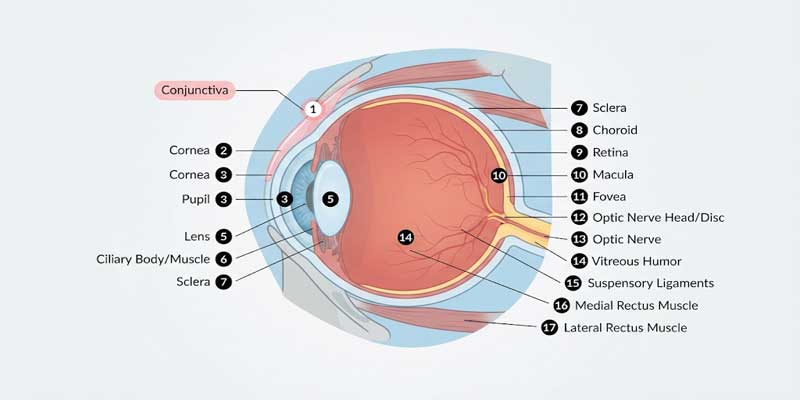
Pink eye is the everyday name for conjunctivitis. The conjunctiva is a thin, transparent membrane that covers the sclera (the white part of the eye) and lines the inner surface of your eyelids. It is full of tiny blood vessels. When the conjunctiva becomes inflamed or infected, those vessels swell and become more visible, which gives the white of the eye a pink or reddish tint. That is where the name comes from.
Anyone can get pink eye, including babies, children, and adults, and you can get it more than once. It can affect one eye or both. It helps to know that “pink eye” describes how the eye looks, not a single disease. The underlying cause decides whether it is contagious, how long it lasts, and what treatment, if any, you need.
What Causes Pink Eye?
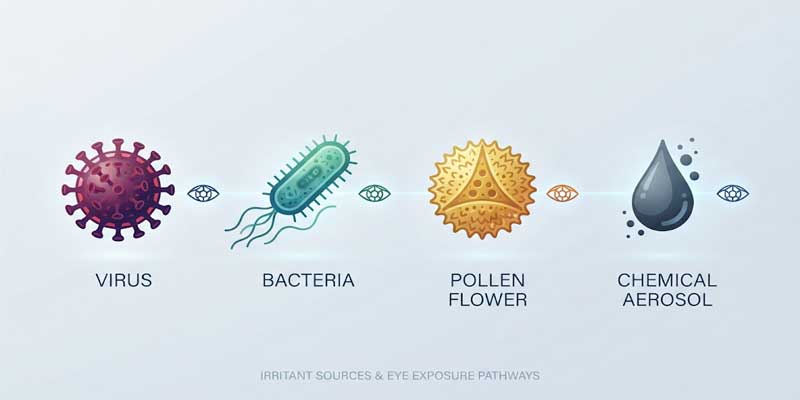
There are four main causes of pink eye: viruses, bacteria, allergens, and irritants. Because many of them look alike at first, it can be hard to tell them apart without an exam. Our guide to viral vs. bacterial vs. allergic pink eye explains the differences in more depth.
Viral pink eye
Viral pink eye is the most common infectious type. Adenoviruses are the usual culprit, though other viruses, including the herpes simplex virus and the virus that causes shingles, can also be responsible. It often shows up alongside a cold or other respiratory infection. It tends to begin in one eye and may spread to the other, with a watery discharge and a gritty, irritated feeling.
Bacterial pink eye
Bacterial pink eye is caused by bacteria such as Staphylococcus, Streptococcus, and Haemophilus species. It typically produces a thicker white, yellow, or green discharge that can crust over the lashes and make the eyelids stick together, especially after sleep.
Allergic pink eye
Allergic pink eye is an immune reaction to something like pollen, dust mites, mold, or pet dander. Itching is the hallmark, usually in both eyes, along with tearing, redness, and puffy eyelids. It often comes with sneezing or a runny nose. Allergic pink eye is not contagious.
Irritant and chemical pink eye
Smoke, chlorine, fumes, cosmetics, shampoo, a loose eyelash, or other foreign bodies can inflame the conjunctiva. Wearing contact lenses can also trigger irritation. This type is not contagious, and it often settles once the irritant is gone.
Less common causes
In rare cases, sexually transmitted infections such as chlamydia and gonorrhea can cause conjunctivitis. Newborns can develop serious eye infections, which is why any red or watery eye in a baby should be checked right away.
Quick comparison
| Type | Typical discharge | Itching | Contagious? | Usual approach |
|---|---|---|---|---|
| Viral | Watery | Mild | Yes | Supportive care, runs its course |
| Bacterial | Thick white, yellow, or green | Mild | Yes | Often clears alone, antibiotic drops may be prescribed |
| Allergic | Watery, stringy | Strong | No | Avoid triggers, allergy eye drops |
| Irritant or chemical | Watery | Variable | No | Rinse and remove the irritant |
Pink Eye Symptoms
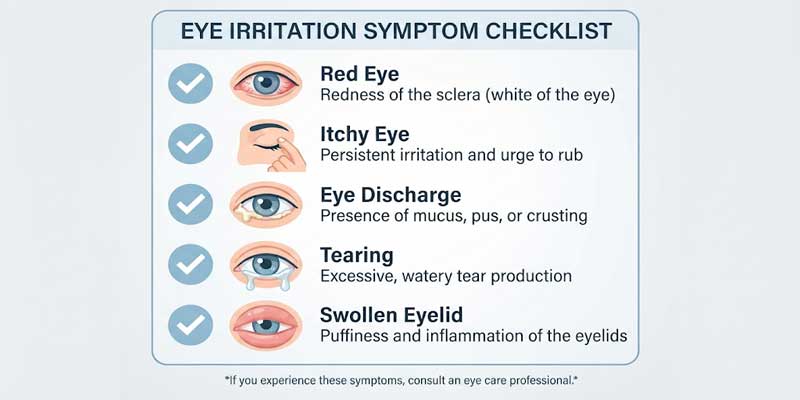
Symptoms vary by cause, and they can appear in one eye or both. The most common signs include:
- A pink or red color in the white of the eye
- Swelling of the conjunctiva or the inner eyelids
- A gritty feeling, as if something is in the eye, or an urge to rub it
- Burning or irritation
- Itching (more typical of allergies)
- Watery eyes or a white, yellow, or green discharge
- Crusting along the eyelashes, especially in the morning
Pink eye usually does not harm your vision, and it is often more bothersome than painful. If you notice blurred vision that does not clear when you blink, significant eye pain, or sensitivity to light, treat that as a warning sign and get checked. For a full breakdown with timelines, see our guide to pink eye symptoms.
How Is Pink Eye Diagnosed?
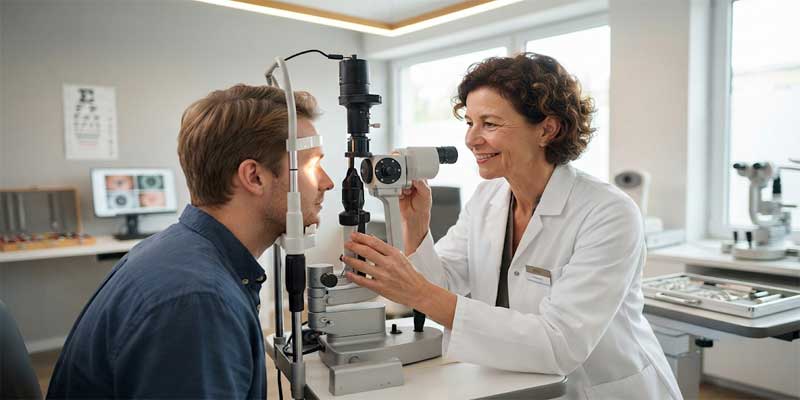
Many people can tell something is wrong, but telling which type of pink eye you have is harder than it looks. An eye care provider will ask about your symptoms, recent colds or allergies, contact lens use, and any exposure to someone with pink eye. They will then examine your eyes, often with a magnifying instrument called a slit lamp, to look at the conjunctiva, cornea, and eyelids.
In most cases, the exam is enough. In more severe cases, in newborns, or when the problem is not improving, your provider may take a swab of the discharge to identify the cause. An exam also helps rule out more serious conditions that can mimic pink eye (more on that below).
How Is Pink Eye Treated?
Treatment depends on the cause. Some types can be managed at home, while others need prescription medicine. Our full guide to pink eye treatment covers each option in detail.
Viral pink eye
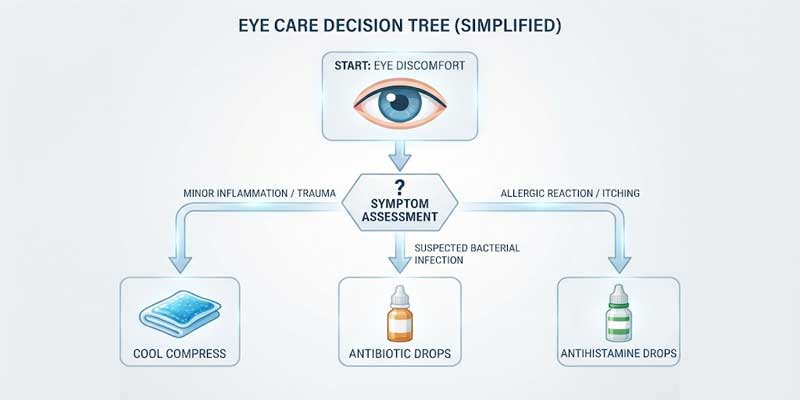
Antibiotics do not work on viruses, so treatment is supportive. Cool compresses and preservative-free artificial tears can ease discomfort while your body clears the infection, usually within 7 to 14 days. In some cases, your provider may recommend additional treatment, so check in if you are not improving.
Bacterial pink eye
Mild bacterial pink eye often gets better on its own. Your provider may prescribe antibiotic eye drops or ointment, especially if you have a lot of discharge, wear contact lenses, or are not improving. Take the full course as directed. If you do not see improvement after 24 hours of antibiotics, contact your provider.
Allergic pink eye
The best step is to avoid what triggers it. Cool compresses and artificial tears help, and your provider or pharmacist may suggest antihistamine or mast cell stabilizer eye drops. Some are available over the counter, and stronger options require a prescription.
Irritant or chemical pink eye
Rinse the eye with clean water or sterile saline. If a chemical splashes into your eye, flush it with water for at least 15 minutes and get emergency care right away, especially for strong chemicals such as bleach or drain cleaner.
Comfort care and what to avoid
While you recover, these steps can help:
- Apply a clean, cool or warm compress to closed eyes for comfort.
- Use artificial tears to soothe dryness and irritation.
- Stop wearing contact lenses until your eyes are fully healed and your provider says it is safe.
- Skip eye makeup, and throw away products you used while infected.
And please avoid these common mistakes:
- Do not use someone else’s eye drops or leftover antibiotic drops.
- Do not use steroid eye drops unless an eye care provider prescribes them after an exam. They can make some infections worse.
- Do not rely on “redness relief” drops. They hide the redness without treating the cause, and they can irritate the eye.
- Do not rub your eyes, which can spread infection and worsen irritation.
Some people search for natural remedies. We cover what helps and what to skip in our guide to pink eye home remedies.
Is Pink Eye Contagious?
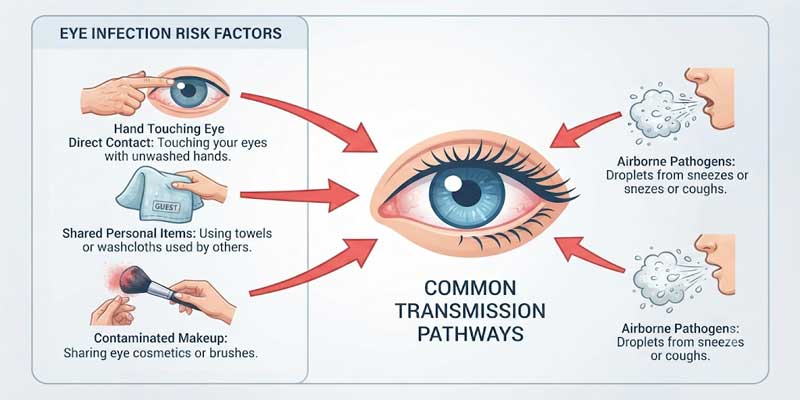
It depends on the cause. Viral and bacterial pink eye are very contagious, while allergic and irritant pink eye are not. Infectious pink eye spreads through direct contact with eye discharge, by touching a contaminated surface and then your eyes, through shared towels, pillowcases, or makeup, and, in viral cases, through respiratory droplets from coughing or sneezing.
Viral pink eye can spread as long as symptoms are present. Bacterial pink eye is generally considered contagious until symptoms resolve or after you have been on antibiotics for about 24 hours. Rules for returning to school, daycare, or work vary, so ask your provider and check your school or employer’s policy. Our dedicated guide answers the question is pink eye contagious in more detail.
How Long Does Pink Eye Last?
Most mild cases of pink eye clear up within about 7 to 14 days. Viral pink eye usually follows that timeline. Bacterial pink eye often improves within about a week, and antibiotics may speed recovery. Allergic pink eye can last as long as you are exposed to the trigger, which is why it often returns during allergy season. Irritant pink eye usually improves once the irritant is removed.
If symptoms get worse or do not improve, it is time to be seen.
When to See an Eye Doctor
Most cases of pink eye are mild, but you should contact an eye care provider if you have pink eye along with any of the following:
- Moderate to severe eye pain
- Intense redness
- Sensitivity to light or blurred vision that does not clear when you blink
- A weakened immune system, for example from HIV or cancer treatment
- Symptoms that get worse or do not improve, including bacterial pink eye that is not better after 24 hours of antibiotics
- Contact lens use, a recent eye injury, or recent eye surgery
Newborns need immediate care. A baby with a red, swollen, or discharging eye should be seen by a doctor right away, because infections in newborns can be serious. Not sure where to go? Our guide on when to see a pink eye doctor compares urgent care, optometrists, ophthalmologists, and telehealth.
How to Prevent Pink Eye and Stop It From Spreading
Good habits go a long way. To lower your risk and protect the people around you:
- Wash your hands often with soap and water for at least 20 seconds.
- Avoid touching or rubbing your eyes.
- Do not share towels, washcloths, pillowcases, or eye makeup.
- Wash bedding and towels in hot water if someone has infectious pink eye.
- Replace eye makeup and contact lens cases after an infection.
- Wash your hands after applying eye drops, and never let the dropper tip touch your eye.
- Stay home from school or work if your provider advises it.
- Stay up to date on vaccines, which can prevent some infections connected to pink eye.
We share more everyday strategies in our guide on how to prevent pink eye.
Pink Eye in Children, Newborns, and Contact Lens Wearers
Children catch pink eye often, because they touch their faces and share items in close quarters. Most cases are mild, but kids may need extra help with eye drops and clear guidance on school return. See our parent’s guide to pink eye in kids.
Newborns with any red, watery, or swollen eye need to be examined promptly, since an infection at this age can be serious.
Contact lens wearers should stop wearing lenses at the first sign of redness, discomfort, or discharge, because a lens-related infection can be more serious than ordinary pink eye. Read more in pink eye and contact lenses.
Is It Really Pink Eye? Other Causes of a Red Eye
Not every red eye is pink eye. Other conditions that can look similar include dry eye, blepharitis (inflamed eyelids), a stye, a subconjunctival hemorrhage (a harmless broken blood vessel on the white of the eye), and more serious problems such as keratitis (infection or inflammation of the cornea), uveitis, and acute angle-closure glaucoma.
The serious ones usually come with warning signs, including significant pain, light sensitivity, blurred vision, halos around lights, headache, or nausea. If you have any of these, do not wait. Get an eye exam the same day.
Frequently Asked Questions
Is pink eye the same as conjunctivitis? Yes. Pink eye is the common name for conjunctivitis, which is inflammation of the conjunctiva.
Can pink eye go away on its own? Often, yes. Most mild cases, especially viral ones, clear up in about 7 to 14 days. Bacterial pink eye sometimes needs antibiotic drops, and allergic pink eye needs the trigger managed.
How can I tell if pink eye is viral, bacterial, or allergic? It is difficult to tell on your own. Watery discharge with a cold suggests a virus, thick yellow or green discharge suggests bacteria, and intense itching in both eyes points to allergies. An eye exam gives a more reliable answer.
Can I get pink eye from a swimming pool? Pool chemicals such as chlorine can irritate the eyes, and shared water or surfaces can spread germs. Wearing goggles, showering afterward, and not sharing towels can help.
Do I need to go to the emergency room for pink eye? Usually not. But seek emergency care for a chemical splash, severe eye pain, sudden vision changes, or a newborn with eye symptoms.
Can I wear makeup or contact lenses with pink eye? No. Skip both until your eyes have fully healed and your provider says it is safe. Replace eye makeup and lens cases afterward to avoid reinfection.
The Bottom Line
Pink eye is common, usually mild, and often treatable at home, but the cause matters. Viral and bacterial types spread easily, so good hygiene is essential, while allergic and irritant types call for avoiding the trigger. If you have pain, vision changes, light sensitivity, or symptoms that are not improving, or if the affected person is a newborn, see an eye care professional promptly.
This article is for general information only and is not a substitute for professional medical advice, diagnosis, or treatment. Always seek the advice of a qualified eye care provider about your specific condition.
Sources
- CDC: About Pink Eye (Conjunctivitis)
- American Optometric Association: Conjunctivitis
- StatPearls (NCBI): Conjunctivitis

Pingback: Is Pink Eye Contagious? How Long and When to Go Back
Pingback: Pink Eye Symptoms: Signs, Discharge & Timeline
Pingback: Pink Eye Treatment: What Works & When to See a Doctor
Pingback: Pink Eye Home Remedies: What Helps and What to Avoid
Pingback: Types of Pink Eye: 4 Causes, Key Differences & Treatment
Pingback: Pink Eye in Kids: 6 Signs, Safe Care & School Return Rules
Pingback: How to Prevent Pink Eye: 9 Easy Daily Habits That Work
Pingback: Pink Eye Contact Lenses: 5 Steps to Take Right Away
Pingback: Pink Eye Doctor: 4 Places to Get Care Fast & When to Go