
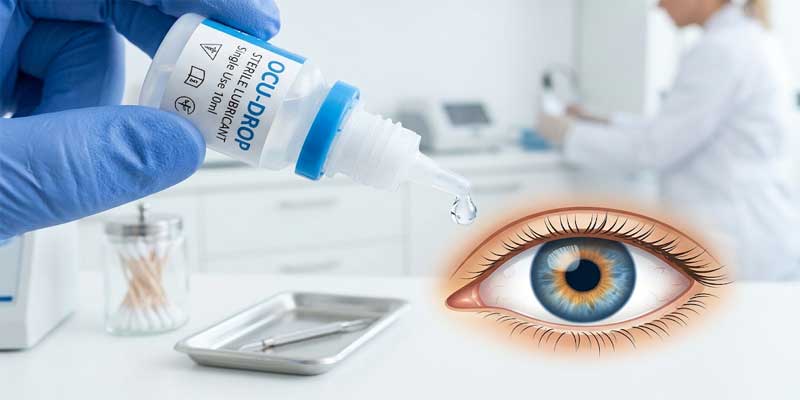
Pink eye treatment depends on the cause. Viral pink eye is managed with supportive care because antibiotics do not work on viruses. Bacterial pink eye often improves on its own but may be treated with antibiotic drops or ointment. Allergic pink eye is treated by avoiding triggers and using allergy eye drops.
Key takeaways
- The right treatment depends on whether a virus, bacteria, allergy, or irritant is behind your pink eye.
- Antibiotics only help bacterial pink eye, and many mild bacterial cases clear up without them.
- Viral pink eye usually improves in about 7 to 14 days with cool compresses and artificial tears.
- Allergic pink eye improves when you avoid triggers and use cool compresses or allergy eye drops.
- See a provider for eye pain, vision changes, light sensitivity, or any red eye in a newborn.
Red, itchy, or crusty eyes make most people want fast relief. The good news is that pink eye is treatable, and many cases are mild. The less obvious part is that the right treatment depends entirely on the cause, and using the wrong drops can delay healing or cause side effects.
This guide explains how each type is treated, when antibiotics are actually needed, how to use eye drops correctly, how long recovery takes, and when to see a provider. If you are new to the condition, start with our guide on what is pink eye.
Step One: Identify the Type of Pink Eye
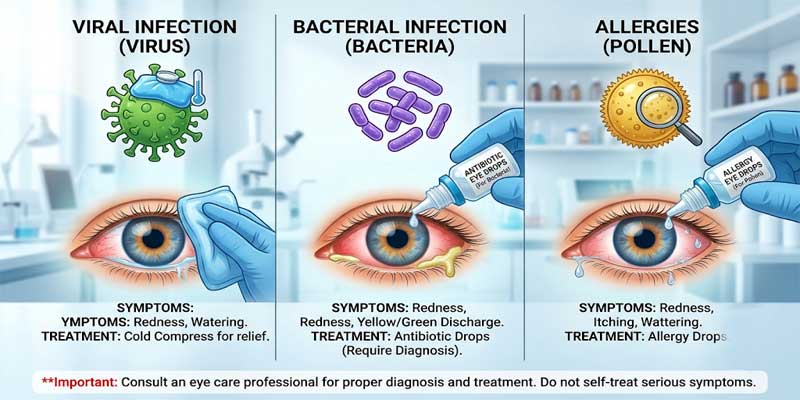
Because viral, bacterial, allergic, and irritant pink eye can look alike, it helps to know which one you most likely have. Watery discharge with a cold suggests a virus, thick sticky discharge suggests bacteria, and intense itching in both eyes with sneezing suggests allergies. Our guides to pink eye symptoms and viral vs. bacterial vs. allergic pink eye can help you narrow it down, but an eye exam is the most reliable way to know.
Treatment for Viral Pink Eye
Most cases of viral pink eye are mild. The CDC is clear that antibiotics will not improve viral pink eye, because these drugs do not work against viruses. Treatment focuses on comfort while your body clears the infection:
- Apply a clean, cool compress to closed eyes for relief. Some people prefer a warm one.
- Use artificial tears to soothe dryness and flush out irritation.
- Avoid touching or rubbing your eyes, and wash your hands often.
- Stop wearing contact lenses until your eyes have healed.
Viral pink eye usually clears in about 7 to 14 days, though some cases take longer. In more serious cases, such as pink eye caused by the herpes simplex or shingles virus, an eye care provider may prescribe other medicine, and these need prompt evaluation. Viral pink eye is also very contagious, so read our guide on is pink eye contagious.
Treatment for Bacterial Pink Eye
The CDC notes that mild bacterial pink eye may get better without antibiotics and without causing complications. The American Academy of Ophthalmology (AAO) agrees that antibiotics are rarely necessary for bacterial pink eye because most cases resolve on their own within 7 to 14 days.
Your provider is more likely to prescribe antibiotic drops or ointment if:
- Your symptoms are severe
- You have a weakened immune system
- You wear contact lenses
- The infection is not getting better
In the US, antibiotic eye drops and ointments require a prescription. Take them exactly as directed, and finish the course unless your provider says otherwise. Antibiotic drops can cause itching, stinging, burning, or redness in some people, and they can trigger allergic reactions. Contact your provider if bacterial pink eye does not improve after 24 hours of antibiotic use. Never use leftover antibiotic drops or someone else’s prescription.
Treatment for Allergic Pink Eye
Allergic pink eye is not an infection, so the goal is to calm the allergic reaction:
- Avoid the trigger. Common triggers include pollen, dust mites, pet dander, and mold. Keep windows closed on high-pollen days, wash your hands and face after being outdoors, and wash bedding often.
- Use cool compresses and artificial tears. They soothe itching and help rinse allergens from the eye.
- Try allergy eye drops. Antihistamine and mast cell stabilizer drops can relieve itching and redness. Some are sold over the counter, and stronger options require a prescription. Ask your provider or pharmacist which is right for you.
- Consider oral allergy medicine if you also have sneezing or a runny nose.
- Do not rub your eyes. Rubbing makes itching and swelling worse.
Treatment for Irritant or Chemical Pink Eye
Pink eye from smoke, chlorine, fumes, or a foreign body usually improves once the irritant is gone. Rinse the eye with clean water or sterile saline, remove contact lenses, and use artificial tears for comfort. If a chemical splashes into your eye, flush it with water for at least 15 minutes and get emergency care right away, especially for strong chemicals such as bleach or drain cleaner.
Eye Drops for Pink Eye: What to Use and What to Skip
|
Type of drop |
Helps with |
Notes |
|---|---|---|
|
Artificial tears |
Comfort in all types |
Sold over the counter. Preservative-free versions are gentler if you use them often |
|
Antibiotic drops or ointment |
Bacterial pink eye only |
Prescription in the US. No effect on viral or allergic pink eye |
|
Antihistamine or mast cell stabilizer drops |
Allergic pink eye |
Some over the counter, some prescription |
|
Redness-relief (“whitening”) drops |
Not recommended |
They hide redness without treating the cause and can irritate the eye |
|
Steroid drops |
Select cases only |
Use only under an eye care provider’s care, because they can make some infections worse |
How to Put In Eye Drops Correctly
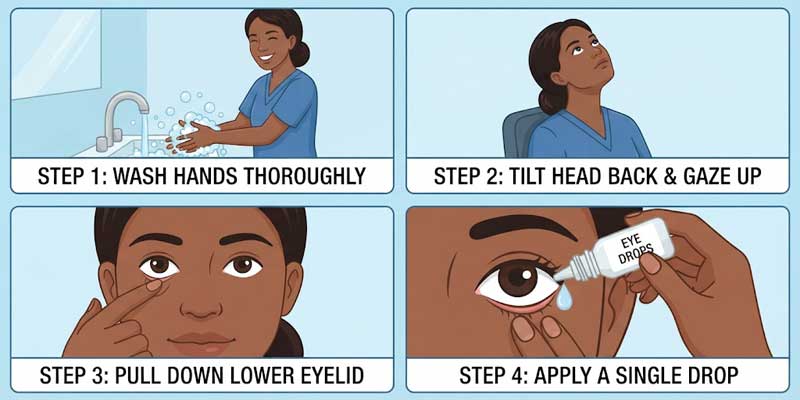
Using drops the right way helps them work and keeps you from spreading germs:
- Wash your hands with soap and water.
- Remove contact lenses, and do not wear them while you are infected.
- Tilt your head back or lie down, and look up.
- Gently pull your lower eyelid down to form a small pocket.
- Hold the bottle above your eye and squeeze out one drop. Do not let the tip touch your eye, eyelid, or lashes.
- Close your eye gently for a minute or two, and blot any extra with a clean tissue.
- If you use more than one medicine, wait about five minutes between drops, and apply ointment last.
- Recap the bottle, wash your hands again, and never share your drops.
Comfort Care While You Recover
Whatever the type, a few habits help you feel better and protect others:
- Use a clean washcloth for each compress, and a separate one for each eye if both are infected. Wash used cloths in hot water.
- Wipe away discharge with a clean tissue or cotton pad, and throw it away.
- Skip eye makeup, and replace any you used while infected.
- Do not wear contact lenses until your provider says it is safe. See pink eye and contact lenses for details.
Wondering about natural options? Our guide to pink eye home remedies covers what helps and what to avoid.
How Long Does Pink Eye Treatment Take?
|
Type |
Typical time to improve |
|---|---|
|
Viral |
About 7 to 14 days, sometimes longer |
|
Bacterial, mild |
Often a few days to about a week without treatment |
|
Bacterial, treated |
Often improves within a few days of starting antibiotics. Call your provider if there is no improvement after 24 hours |
|
Allergic |
Improves once you avoid the trigger or start allergy drops, and may return with each exposure |
|
Irritant or chemical |
Usually improves once the irritant is gone |
Do You Need Antibiotics for Pink Eye?
Usually, no. Most pink eye is viral or allergic, and antibiotics do nothing for either. Even many mild bacterial cases improve without them. If you are not sure which type you have, an eye exam can tell you whether drops are worth using.
When to See a Doctor
The CDC advises seeing a health care provider if you have pink eye along with any of the following:
- Eye pain
- Intense redness
- Sensitivity to light or blurred vision that does not clear when you blink
- A weakened immune system
- Bacterial pink eye that does not improve after 24 hours of antibiotics
- Symptoms that get worse or do not improve
Newborns with symptoms of pink eye should see a doctor right away. Our guide on when to see a pink eye doctor explains where to go, and our parent’s guide to pink eye in kids covers children.
Frequently Asked Questions
Can pink eye go away without treatment? Often, yes. Most mild cases, especially viral ones, clear up in about 7 to 14 days. Allergic pink eye needs the trigger managed, and some bacterial cases need antibiotic drops.
Do I need antibiotics for pink eye? Only for some bacterial cases. Antibiotics do not work on viral or allergic pink eye, and many mild bacterial cases improve without them.
Can I buy pink eye drops over the counter? You can buy artificial tears and some allergy eye drops without a prescription. In the US, antibiotic eye drops and ointments require a prescription.
How long does it take for pink eye to clear up with treatment? It depends on the type. Viral pink eye usually takes 7 to 14 days, treated bacterial pink eye often improves within a few days, and allergic pink eye improves as soon as the trigger is controlled.
Is a warm or cool compress better for pink eye? Either can ease discomfort. Cool compresses help with itching and swelling, and warm ones can loosen crusting on the lashes. Use a clean cloth every time.
Can I wear contact lenses while treating pink eye? No. Stop wearing them until your eyes are healed and your provider says it is safe, and replace your lenses and case as advised.
The Bottom Line
The best pink eye treatment starts with knowing the cause. Viral pink eye needs time and comfort care, bacterial pink eye sometimes needs antibiotic drops, allergic pink eye needs trigger control and allergy drops, and irritant pink eye needs the irritant removed. Avoid redness-relief drops and leftover prescriptions, and see a provider if pain, vision changes, or worsening symptoms appear.
This article is for general information only and is not a substitute for professional medical advice, diagnosis, or treatment. Always seek the advice of a qualified eye care provider about your specific condition.
Sources
- CDC: How to Treat Pink Eye
- CDC: Clinical Overview of Pink Eye (Conjunctivitis)
- Mayo Clinic: Pink eye diagnosis and treatment
- American Academy of Ophthalmology: When Do You Need Antibiotics for Pink Eye?

Pingback: Pink Eye Home Remedies: What Helps and What to Avoid
Pingback: Types of Pink Eye: 4 Causes, Key Differences & Treatment
Pingback: Pink Eye Contact Lenses: 5 Steps to Take Right Away