
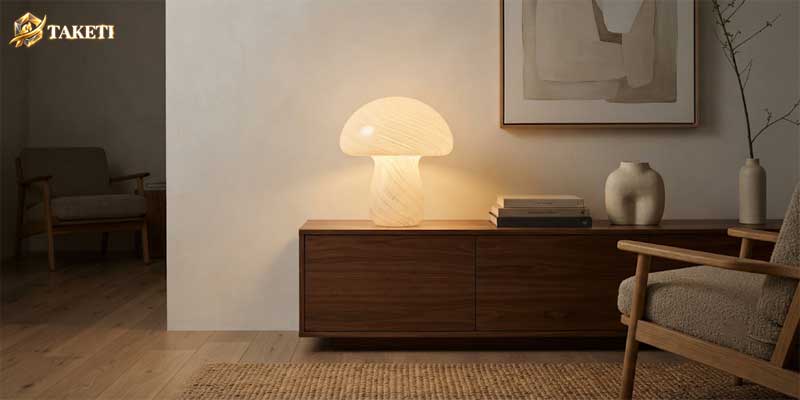
Few lighting silhouettes evoke the timeless charm of retro modernism quite like the iconic mushroom lamp. First popularized by visionary Italian designers in the late 1960s and 1970s, this organic, dome-capped accent light has transitioned from vintage design showrooms to modern curated interiors. Unlike conventional table fixtures defined by rigid harps and fabric shades, a mushroom lamp functions as a sculptural art piece by day and a mood-transforming ambient sanctuary by night.
However, bringing this whimsical silhouette into contemporary spaces involves more than simply grabbing the first viral model you discover on social media. Buyers frequently encounter frustrating design hurdles, such as cheap plastic shells that radiate harsh, uneven glare, translucent domes that expose unsightly light bulbs, and mismatched scales that look awkward atop larger furniture pieces. Choosing the ideal mushroom lamp requires understanding material craftsmanship, light diffusion physics, and intentional interior balance.
The Aesthetic Anatomy of an Iconic Mushroom Lamp
The timeless allure of the mushroom lamp lies in its radical departure from traditional lamp proportions. Instead of relying on an exposed vertical stem crowned by a flared cone, the mushroom lamp merges the base and diffuser into one seamless, fluid contour. This organic silhouette delivers two distinct aesthetic advantages for residential spaces:
1. Seamless Sculptural Presence
Traditional table fixtures often disappear into the background when switched off. In contrast, an authentic mushroom lamp retains high visual impact even in broad daylight. The fluid curve of the mushroom dome introduces soft, biophilic geometry that softens the rigid right angles of modern desks, squared credenzas, and boxy bookshelves.
2. Concealed Omnidirectional or Downward Luminance
The structural dome acts as an architectural shade canopy. Depending on the material chosen, the canopy either envelopes the light source to disperse a 360-degree velvety glow or redirects every lumen downward onto the resting surface. This clever physical enclosure shields your eyes from raw filament glare, making the fixture an exceptional companion for evening unwinding.
Material Breakdown: Blown Glass vs. Spun Metal vs. Molded Acrylic
The material composition of your mushroom lamp fundamentally determines the quality of light it casts and how it interacts with your existing home decor. Selecting the right construction ensures your fixture aligns with your aesthetic and lifestyle needs:
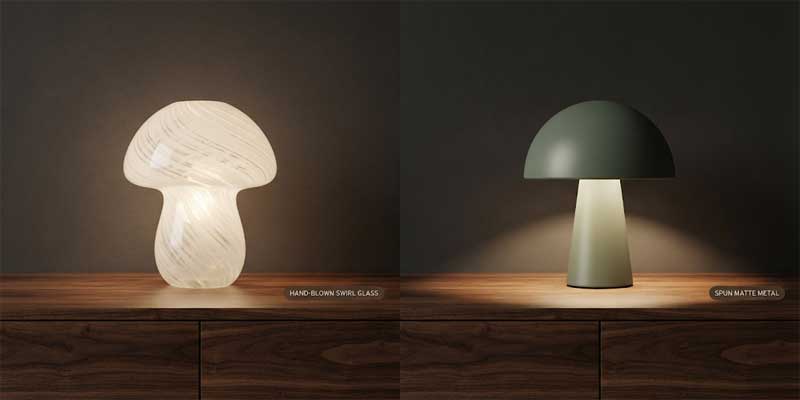
1. Hand-Blown Murano-Style Swirl Glass
The pinnacle of vintage elegance, blown glass models—especially those featuring delicate white swirl or tortoiseshell patterns—diffuse illumination omnidirectionally. The thick glass body catches the bulb’s radiant energy, transforming the entire lamp body into an ethereal, glowing orb. While stunning on low-traffic nightstands or display cabinets, glass models require delicate handling and dedicated dusting to prevent visible finger oils.
2. Spun Metal with Gloss or Matte Powder Coating
If your room leans toward Scandinavian minimalism or Bauhaus industrialism, a spun metal mushroom lamp offers substantial visual gravity. Because metal is completely opaque, 100% of the light output is focused downward around the base perimeter. This creates a cozy, localized pool of task illumination that highlights rich wood grains without throwing competing light across the rest of the room.
3. Molded Acrylic and Polycarbonate
Popularized by 1970s space-age pop aesthetics, vibrant acrylic lamps offer durability, featherlight portability, and punchy saturated hues like mustard orange, sage green, and butter yellow. High-grade acrylic softens modern spaces playfully. However, avoid ultra-thin bargain plastics, which often develop hairline heat fractures over time and cause distracting diode hotspots when illuminated.
| Lamp Material | Light Diffusion Style | Ideal Design Aesthetic | Maintenance & Durability |
|---|---|---|---|
| Hand-Blown Glass | Omnidirectional, ambient 360° glow | Mid-Century Modern, Japandi, Parisian Eclectic | Fragile; requires microfiber cleaning |
| Spun Metal / Brass | Direct downward wash pool | Nordic Minimalist, Bauhaus, Contemporary Industrial | Highly durable; scratch-resistant coating |
| Translucent Acrylic | Diffused ambient perimeter glow | Space Age 70s, Memphis Milano, Modern Dopamine Decor | Lightweight; susceptible to static dust and scratches |
Sizing Scale: Selecting the Proportional Mushroom Lamp
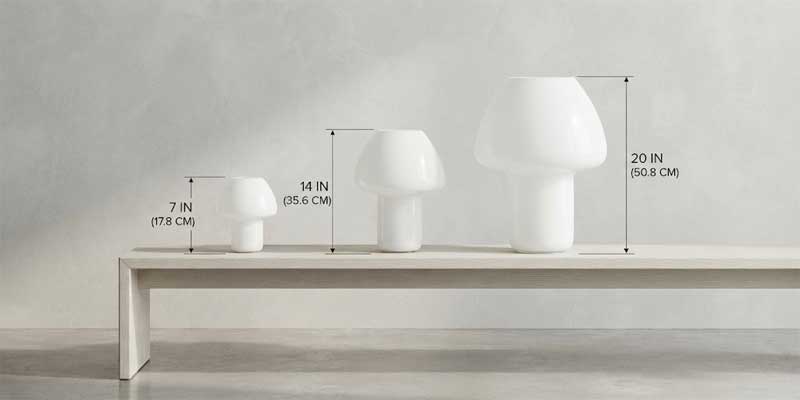
A frequent design mistake is choosing an accent lamp that looks overwhelmed by adjacent furniture or, conversely, crowds a slender shelf. Use these dimensional guidelines to ensure proportionate balance:
1. Compact Accent Models (6 to 9 Inches in Height)
Miniature fixtures excel in high-density spaces where physical real estate is limited. They fit effortlessly inside standard 11-inch cubby shelves, window sills, kitchen coffee bars, or compact entryway floating consoles without dominating the setting.
2. Standard Statement Lamps (12 to 16 Inches in Height)
This mid-sized category represents the classic proportion seen in vintage Italian lighting. With a dome spread between 10 and 14 inches, a standard mushroom lamp holds its own when paired with substantial 24-inch wide nightstands or styled alongside sculptural ceramics on living room side tables.
3. Grand Architectural Centerpieces (18 to 22 Inches in Height)
Oversized models are designed to be the focal anchor of an entire zone. Placing a large mushroom lamp at the end of an expansive executive desk, atop a dining room buffet, or commanding a low-profile media credenza establishes instant architectural credibility.
Eliminating Glare: The Technical Formula for the Ultimate Warm Glow
The primary reason homeowners fall out of love with their new mushroom lamp is improper bulb pairing. If you insert a harsh, high-lumen spotlight or a clear filament bulb into a translucent glass canopy, you will see a blinding focal hotspot that strains the eyes and ruins the soothing ambiance of your room.
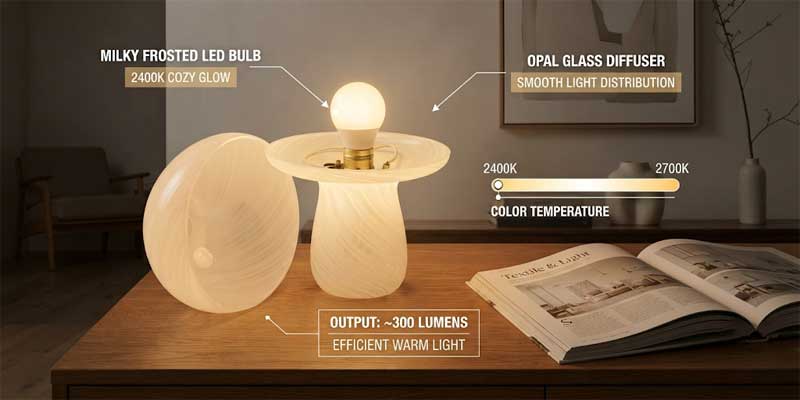
To recreate the rich, tranquil glow showcased in editorial interior design shoots, use these lighting specifications:
- Bulb Envelope: Always specify a frosted or milky opal LED bulb. The treated glass envelope pre-diffuses diode points before the light strikes the inner lamp dome.
- Color Temperature: Keep your illumination strictly between 2200K (candlelight amber) and 2700K (warm soft white). Cooler spectrums above 3000K look clinical and undermine the cozy retro vibe of the silhouette.
- Luminous Output: Limit the bulb to 250–450 lumens (equivalent to a 25W–40W incandescent). A mushroom lamp is designed to layer ambient richness, not illuminate an entire room on its own.
- Integrated Dimming: Whenever possible, select a fixture with touch-sensitive step dimming or a smooth rotary cord dial, allowing you to dial down to a whispered nightlight glow for late-night relaxation.
5 Aesthetic Spots to Style a Mushroom Lamp in Your Home
Because of its compact footprint and soft, organic curvature, this fixture transitions effortlessly across diverse functional zones:
1. The Bedside Sanctuary
Swapping clinical reading lights for a soft, diffused fixture instantly transforms your sleeping quarters into a restorative hotel retreat. When curating peaceful nightstand vignettes, pairing organic shapes alongside our dedicated Bedroom Table Lamps collection helps establish warm, layered pools of evening illumination that support healthy melatonin production.
2. The Curated Bookshelf Vignette
Modern built-in shelving and minimalist bookcases often look stark and sterile when packed solely with uniform paperbacks. Inset a compact, battery-operated mushroom lamp on a middle shelf alongside architectural ceramic vessels and horizontal book stacks to cast deep, inviting shadows across your favorite titles.
3. The Low-Profile Living Room Credenza
Balance oversized wall-mounted televisions or large-scale canvas art by positioning an architectural glass or chrome fixture at the opposite end of your media console. If you are arranging lighting across broader seating zones, combining your accent pieces with curated Table Lamps For Living Room produces sophisticated cross-room balance without relying on harsh overhead downlights.
4. The Intentional Work-From-Home Desk
Modern workspaces are heavily saturated with harsh blue light emitted by computer monitors and laptop screens. Nestling a spun metal mushroom lamp at the corner of your desk provides gentle, indirect perimeter contrast, reducing visual fatigue during long evening work sprints while doubling as an expressive conversation starter during video calls.
5. The Welcoming Entryway Console
Your foyer establishes the opening design narrative for your entire living space. Resting an ambient mushroom lamp beside a textured stone catch-all tray offers an inviting warm glow that greets you and your guests the moment you walk through the front door.
To discover a wider assortment of artisanal ceramics, sculptural silhouettes, and curated fixtures built to elevate your living spaces, browse our complete selection at Table Lamp.
Whether you choose hand-blown swirl glass to showcase nostalgic vintage charm or sleek brushed metal for streamlined modern elegance, a thoughtfully proportioned mushroom lamp brings sculptural sophistication and cozy warmth to any corner of your home.
